PRODUCTS
Each ton of secondary material we produce reduces large amounts of emissions, energy usage, and landfill compared to primary production.



Copper prices have been on a remarkable ascent, reaching unprecedented heights driven by a combination of supply constraints, robust demand, and speculative interest. As of now, copper prices have surged to a two-year high of USD4.83 per pound (USD10,090.00 per tonne), reflecting a bullish market sentiment despite underlying challenges. We’ve written about the supply and demand of copper in the past, with most forecasters predicting a rise in prices over the long-term. It seems we are now watching some of those forces play out. So what is really happening with the copper market, what it could mean for the future of pricing, and how will recycling play its part?
Several factors contribute to the current copper price surge:
The outlook for copper remains bullish, with prices potentially breaking all-time highs. Analysts from ANZ Group Holdings Ltd. suggest that prices need to stay around $12,000 per tonne to achieve a 10% return on a 300,000-tonne mine. Despite these optimistic forecasts, there are concerns about the sustainability of the rally, especially with potential profit-taking and the possibility of demand destruction in key markets like China.
The supply forecast for copper highlights significant challenges. Existing mines are struggling to maintain production levels, and new mining projects are not coming online quickly enough to fill the gap. This stagnation in supply growth, coupled with increasing demand, points to a prolonged period of high prices and potential shortages.
There is a strong argument for sustained long-term copper demand increases — particularly in light of its critical role in sustainable and technological infrastructure. Whether supply growth will meet that demand is a question more difficult to answer under current scenarios. Romco has positioned itself as one of many solutions to these market dynamics with copper recycling infrastructure being built over the past two years. As traditional mining faces hurdles, recycling becomes an increasingly vital part of the copper supply chain.
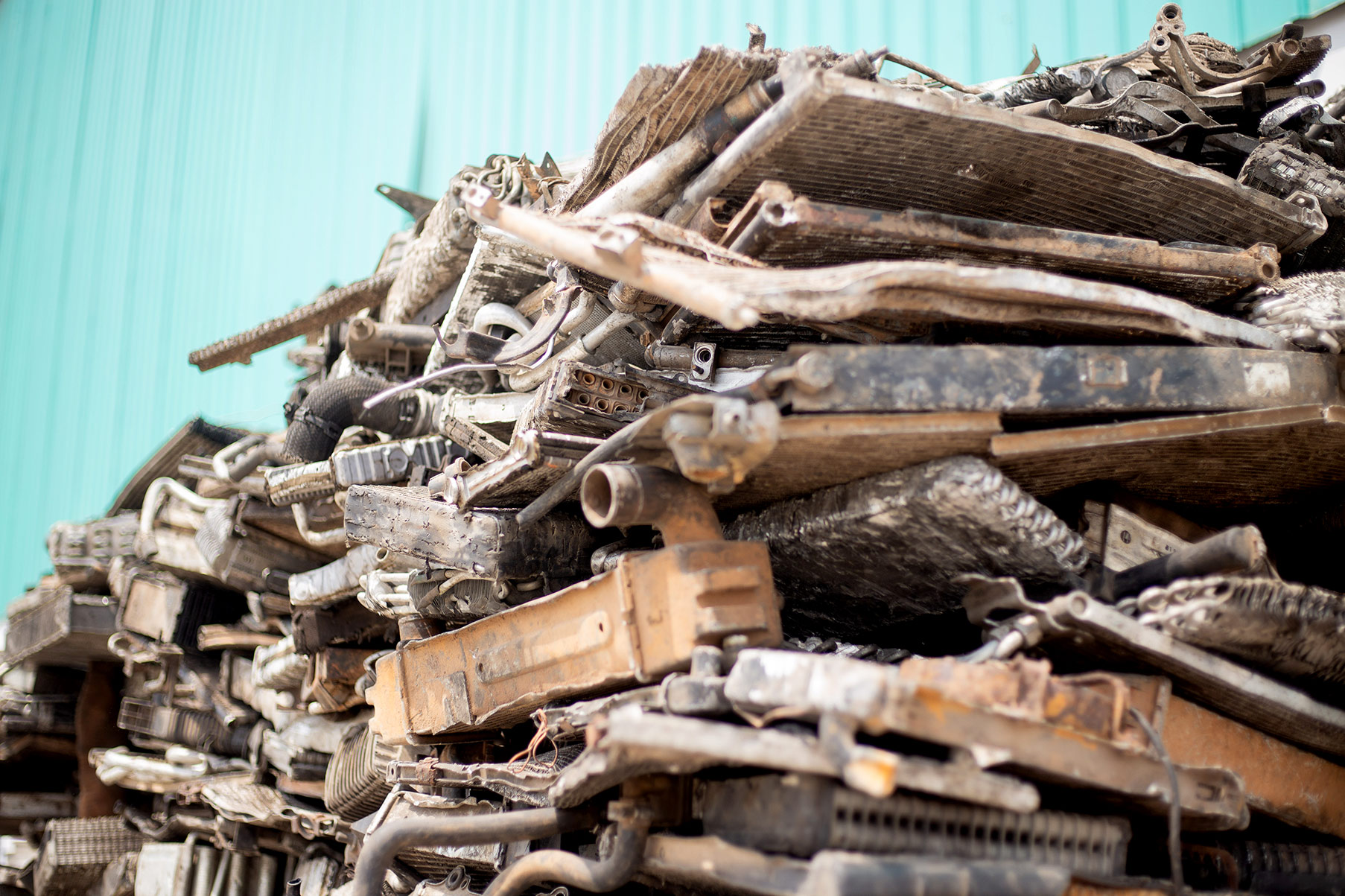
The copper market is undergoing a significant transformation driven by supply constraints, robust demand, and speculative trading. With prices reaching new heights and forecasts indicating continued pressure on supply, the role of recycling becomes ever more critical. Recyclers like Romco stand at the forefront of this shift, providing sustainable and efficient copper recycling solutions that align with the demands of a rapidly changing market.
Further Reading:
1. Trafigura’s Chief Economist Saad Rahim on the copper supply gap
2. Benchmark Minerals analysis on copper supply and demand
3. ANZ Group Holdings Ltd. analysts on supply growth stagnation
4. Mining.com report on copper price dynamics
5. Benchmark Minerals’ insights from CESCO Week Santiago